Gardening isn’t just about cultivating plants or beautifying your surroundings; it’s an opportunity to turn your green thumb into green cash. With the rising demand for organic produce and eco-friendly practices, more people are willing to pay a premium for fresh, homegrown fruits, vegetables, and plants. Whether you’re already tending a garden or thinking about starting one, selling produce and plants can be a rewarding side hustle or even a full-time business.
Let’s dig into how you can transform your love for gardening into a profitable venture.
1. Understanding the Potential of Gardening for Profit
Step 1: Start with a Clear Vision
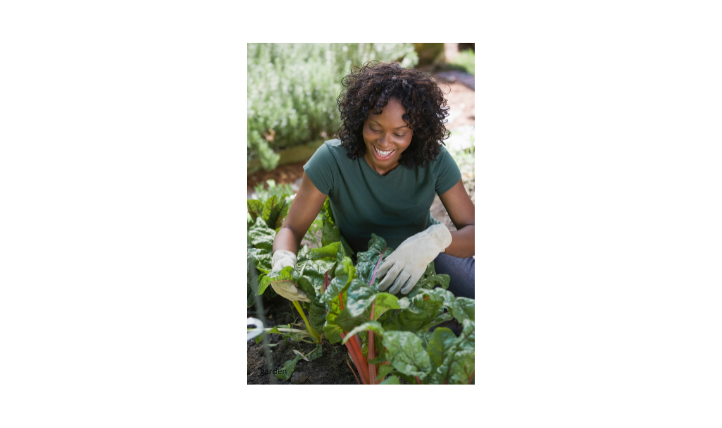
What do you want to grow and sell? Decide whether you’ll focus on fruits, vegetables, herbs, flowers, or potted plants. Each offers unique opportunities, so consider what aligns with your skills and resources.
- Example: Tomatoes, cucumbers, and leafy greens are easy-to-grow vegetables that are always in demand.
- Pro Tip: Herbs like basil, mint, and rosemary are great for beginners and replenish quickly, offering a steady supply for your customers.
Step 2: Assess Market Demand
Research what your community needs. Are they looking for organic produce, exotic plants, or vibrant flowers? Understanding your local market will help you cater to their preferences.
- Tip: Visit farmer’s markets or check local social media groups to see what others are selling and what’s popular.
Step 3: Identify Your Unique Selling Point
What makes your produce or plants special? Whether it’s organic methods, rare plant varieties, or creative floral arrangements, find a way to stand out.
2. Setting Up Your Garden for Success
Step 1: Start Small and Scale Gradually
You don’t need acres of land to get started. A small backyard or balcony garden can produce plenty of herbs, vegetables, or flowers.
- Example: A family in Ohio turned their small backyard into a thriving herb garden, earning $500 monthly by selling potted herbs and bundles.
Step 2: Invest in Quality Supplies
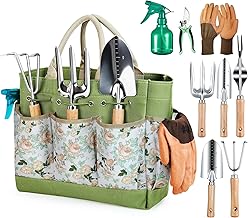
Healthy plants start with good soil, seeds, and tools. Choose organic compost, high-quality seeds, and efficient watering systems to ensure a productive garden.
- Tip: Consider rainwater harvesting to save on water costs and align with eco-friendly practices.
Step 3: Use Sustainable Gardening Practices
Adopt methods like composting, companion planting, and natural pest control. These not only reduce costs but also make your products more appealing to environmentally conscious buyers.
- Pro Tip: Label your products as “organic” or “chemical-free” to attract eco-conscious customers.
3. Growing and Selling Produce
Step 1: Choose Profitable Crops
Some crops are more lucrative than others. Focus on produce that grows quickly, requires minimal care, and has consistent demand.
- Most Profitable Crops: Tomatoes, microgreens, lettuce, spinach, and strawberries.
- Tip: Specialty crops like heirloom tomatoes or exotic peppers can command higher prices.

Step 2: Harvest and Package Thoughtfully
Presentation matters. Wash and bundle your produce neatly, and consider using biodegradable packaging to appeal to eco-friendly consumers.
- Example: A market gardener in California increased her sales by offering pre-packaged salad greens in compostable bags.
Step 3: Explore Multiple Sales Channels
Selling directly to consumers through farmer’s markets, roadside stands, or online platforms can maximize your profits. Alternatively, establish partnerships with local restaurants or grocery stores.
- Pro Tip: Use social media to announce your availability and take pre-orders.
4. Selling Plants and Flowers
Step 1: Focus on In-Demand Plants
Certain plants are perennial favorites for customers. Succulents, flowering plants like marigolds, and herbs are often top choices due to their low maintenance and versatility.
- Tip: Offer seasonal plants, such as poinsettias during the holidays or sunflowers in summer, to boost sales.
Step 2: Get Creative with Floral Arrangements
For those selling flowers, presentation is key. Learn basic floral design to create stunning bouquets or arrangements that can fetch a premium price.
- Example: A gardener in New York started creating mini succulent gardens in decorative pots, selling them at craft fairs and online for $25 each.
Step 3: Use Social Media to Showcase Your Products
Platforms like Instagram and Facebook are ideal for showcasing your plants. Post high-quality photos, share gardening tips, and engage with your audience to build trust and boost sales.
5. Navigating Legal and Logistical Considerations
Step 1: Understand Licensing Requirements
In many areas, selling produce or plants requires a permit or license. Research your local regulations to ensure compliance.
- Tip: Some states offer exemptions for small-scale growers, so check if you qualify.
Step 2: Set Competitive Prices
Pricing your products correctly is crucial. Research local markets to determine what similar items sell for and adjust based on your unique value.
- Tip: Highlight the quality and sustainability of your products to justify higher prices if needed.
Step 3: Invest in Marketing
Effective marketing can significantly boost your sales. Use flyers, social media ads, or collaborate with local influencers to promote your business.
- Example: A Florida gardener partnered with a local chef to create a cooking demo featuring her herbs, increasing her visibility and sales.
6. Overcoming Challenges and Scaling Up
Step 1: Manage Seasonal Variability
Gardening is often seasonal, but you can diversify your offerings to ensure year-round income. For instance, grow hardy herbs or create indoor plant kits during the winter months.
- Tip: Preserve surplus produce by making jams, pickles, or dried herbs, which can be sold later.
Step 2: Handle Pests and Diseases
Pests can ruin a good crop, so invest in natural pest control methods like neem oil or introduce beneficial insects like ladybugs.
- Pro Tip: Monitor your plants regularly to catch problems early.
Step 3: Plan for Growth
As your business grows, consider expanding your operations. You could lease additional land, hire help, or even create an online store for nationwide sales.
7. Success Stories to Inspire You
- Story 1: A retired teacher turned her backyard into a thriving herb garden, selling bundles to local restaurants. She now earns $1,000 monthly and enjoys sharing her gardening tips with her community.
- Story 2: A young entrepreneur started growing microgreens in his apartment and selling them to health-conscious consumers. His business now supplies multiple grocery stores in his city.
- Story 3: A couple in Texas combined their love for gardening and crafting by selling potted succulents in handmade pots, earning enough to fund their travel adventures.
Conclusion: Grow Your Passion into Profit
Gardening for green is more than just a way to earn extra income; it’s a fulfilling venture that combines creativity, sustainability, and business. By starting small, focusing on quality, and using smart marketing strategies, you can turn your love for plants into a thriving enterprise.
Whether you’re selling fresh produce, herbs, or decorative plants, remember that every successful garden begins with a single seed. With dedication, innovation, and a bit of patience, you can cultivate not just a garden but a profitable business that aligns with your values.
So grab your gloves, dig in, and let your garden—and your profits—grow!
You Got This, I Learned these skills and More at Wealthy Affiliate. Hey if this 65 year old Grandfather can make money online, you can too!
Larry Mac 
This website got me on the path to making money online! Click Here to Start!