Dividend investing has become a go-to strategy for building a reliable and consistent stream of passive income. Imagine receiving quarterly payouts simply by holding onto the right stocks—a financial move that works while you sleep. Whether you’re planning for retirement, seeking an additional income source, or just exploring ways to diversify your investments, dividend investing offers unmatched benefits.
In this guide, we’ll explore the ins and outs of dividend investing, strategies for maximizing returns, and how you can use it to create sustainable passive cash flow.
Why Dividend Investing?
Dividend investing is all about earning regular payments from companies as a reward for owning their shares. These payouts, often distributed quarterly, offer several advantages:
- Steady Income Stream: Dividends provide regular payouts that can supplement your salary or act as a primary source of income in retirement.
- Long-Term Stability: Companies that pay dividends are often financially stable and have a history of consistent performance.
- Market Resilience: Dividend-paying stocks tend to be less volatile than non-dividend-paying stocks, providing a cushion during market downturns.
- Compounding Potential: Reinvesting dividends through programs like Dividend Reinvestment Plans (DRIPs) helps grow your investments exponentially over time.
If you’re someone who values financial stability and predictable income, dividend investing might be the perfect addition to your portfolio.

Understanding the Basics of Dividend Investing
1. Key Terms to Know
- Dividend Yield: This is the annual dividend payment divided by the stock’s price, expressed as a percentage. It shows the return on investment through dividends.
- Payout Ratio: This indicates the percentage of a company’s earnings paid out as dividends. A lower ratio generally signifies a sustainable dividend policy.
- Ex-Dividend Date: The cutoff date for eligibility to receive the next dividend payment. If you purchase the stock after this date, you won’t qualify for the upcoming payout.
2. Types of Dividends
Dividends are typically paid in cash, but some companies offer stock dividends. Cash dividends provide immediate liquidity, while stock dividends allow you to reinvest directly and increase your holdings.
3. Payment Schedules
Dividends are most commonly distributed quarterly, but some companies pay monthly or annually. Understanding the payment schedule is essential for cash flow planning.
Building a Sustainable Passive Cash Flow with Dividends
1. Choosing the Right Dividend Stocks
To build a steady income, focus on:
- Blue-Chip Companies: Well-established firms with a history of consistent dividend payments, like Coca-Cola or Johnson & Johnson.
- Dividend Aristocrats: Companies that have increased their dividends for at least 25 consecutive years.
- High-Yield Stocks: Stocks with above-average dividend yields, but ensure they’re sustainable to avoid unnecessary risk.

2. Diversify Your Portfolio
Spread your investments across industries and sectors to minimize risk. For example:
- Utilities and consumer staples provide stability during economic downturns.
- Technology and healthcare sectors often offer growth opportunities alongside dividends.
3. Reinvest Dividends
Leverage DRIPs to automatically reinvest your dividends. This strategy compounds your returns, significantly boosting your portfolio’s value over time.
Example: If you invest $10,000 in a stock with a 5% dividend yield and reinvest all dividends, your investment could grow to over $16,000 in ten years, assuming no change in stock price.
Crafting a Dividend Income Strategy
1. Define Your Goals
Are you aiming for monthly income, long-term wealth building, or both? Clarifying your objectives will guide your investment choices.
2. Balance Dividend and Growth Stocks
While dividend stocks provide income, growth stocks can enhance capital appreciation. A 70/30 split between dividends and growth stocks can be a good starting point.
3. Monitor Sustainability
Analyze the company’s payout ratio, earnings growth, and financial stability. High yields are tempting but avoid stocks with unsustainable payouts, which can lead to dividend cuts.
4. Utilize Tools and Resources
Use platforms like Yahoo Finance or Dividend.com to track:
- Payment schedules
- Historical dividend growth
- Current yield and payout ratios
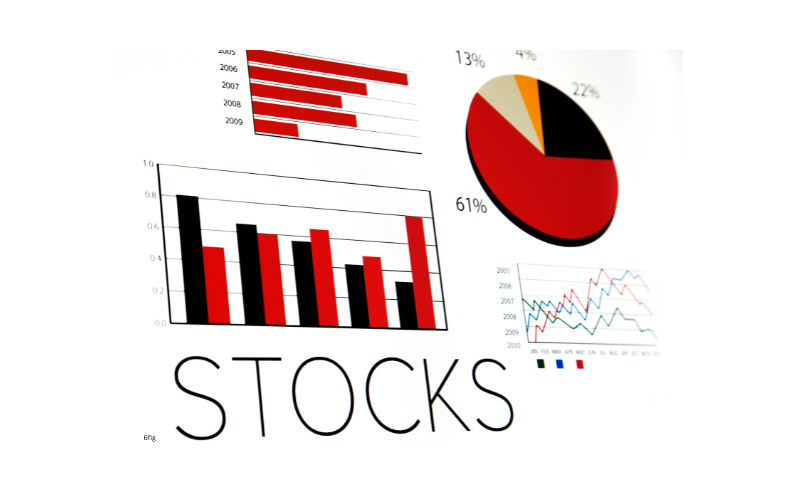
Example of a Diversified Dividend Portfolio
- Utilities: Duke Energy (DUK) – Known for stable payouts.
- Consumer Staples: Procter & Gamble (PG) – Consistent dividend growth.
- Technology: Microsoft (MSFT) – A mix of dividends and capital appreciation.
- Real Estate Investment Trusts (REITs): Realty Income (O) – Monthly dividend payouts.
Maximizing and Securing Dividend Returns
1. Look for Dividend Growth Stocks
Companies that regularly increase their dividends demonstrate financial health and shareholder commitment. Look for stocks with a history of 5–10 years of consistent dividend growth.
2. Understand Market Trends
Economic shifts can impact dividend stocks. For example, utility and healthcare sectors perform well in economic downturns, while tech and industrial stocks thrive during expansions.
3. Avoid Common Pitfalls
- Chasing High Yields: A high yield may signal trouble if the payout isn’t sustainable.
- Ignoring Financial Health: Always analyze a company’s financials before investing.
- Over-Concentration: Diversify to reduce risk from sector-specific downturns.
4. Manage Taxes
In the U.S., qualified dividends are taxed at a lower rate than regular income. Consider holding dividend stocks in tax-advantaged accounts like IRAs to maximize after-tax returns.

Real-Life Example: The Power of Dividend Investing
Case Study: Susan’s Retirement Plan Susan, a 50-year-old professional, invested $100,000 in a diversified portfolio of dividend stocks with an average yield of 4%. By reinvesting her dividends and maintaining her strategy:
- Year 1: She earned $4,000 in dividends.
- Year 10: Her portfolio grew to $148,000 with reinvested dividends.
- Year 20: At retirement, she receives $8,000 annually, providing a steady passive income stream.
Conclusion: Start Your Dividend Journey Today
Dividend investing is a proven way to build steady passive cash flow while growing wealth over time. By understanding the basics, crafting a well-rounded strategy, and staying consistent, you can unlock the financial benefits of this reliable investment approach.
Start small—identify a few solid dividend-paying stocks, reinvest your dividends, and watch your portfolio grow. With patience and diligence, dividend investing can be a cornerstone of your financial future.
What’s your favorite dividend stock? Share your picks or ask questions in the comments below to kickstart your investing journey!

Larry Mac
Hi there, and thanks for stopping by! My name is Larry, and I’m the voice behind 6fig.com. I search the Internet to try and find Money making opportunities to share.. Thanks for stopping by, feel free to subscribe and comment. Thank You!
You Got This, I Learned these skills and More at Wealthy Affiliate. Hey if this 65 year old Grandfather can make money online, you can too!
This website got me on the path to making money online! Click Here to Start!